|
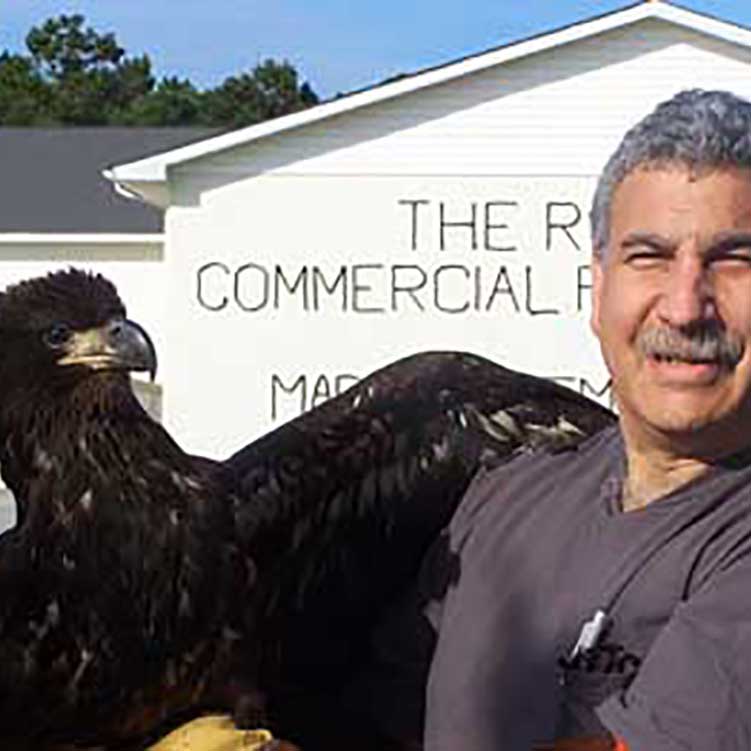
Dr. Grossman holds a juvenile Bald Eagle that injured its clavicle bone. The bird was released weeks after brought to the clinic.
|
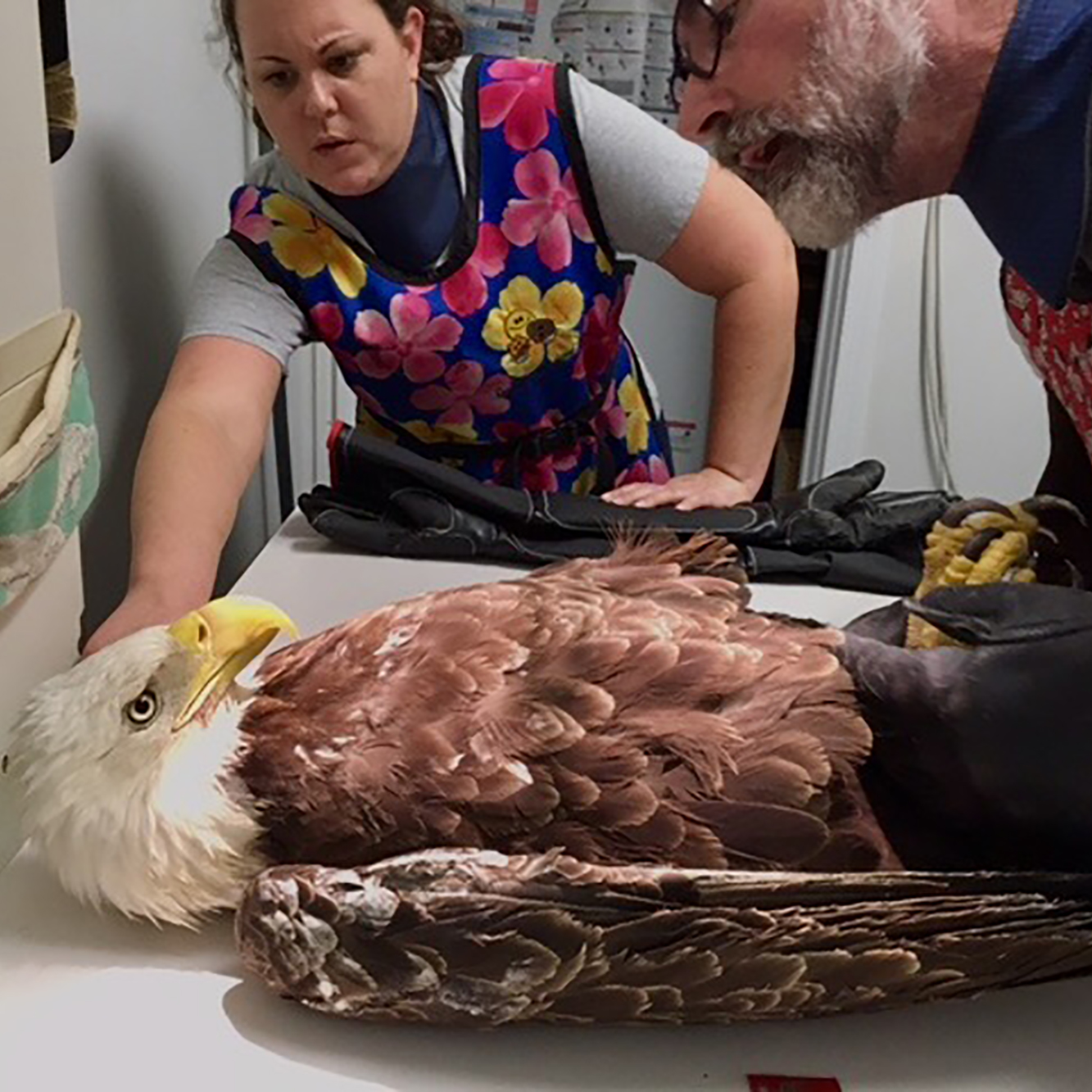
Vet Tech Katie Stewart and Rehabber Lou Browning position an adult Bald Eagle to help determine the cause of the birds' illness. The beautiful bird ingested lead which was making him sick.
|
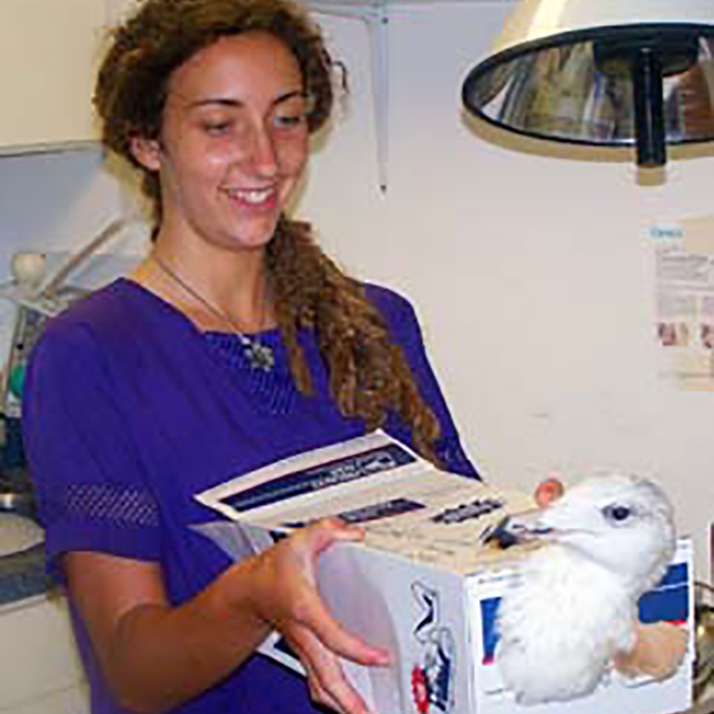
The wildlife get here anyway they can. Veterinary assistant Mariel shows off a seagull that arrived in a Fed Ex box.
|
|
|
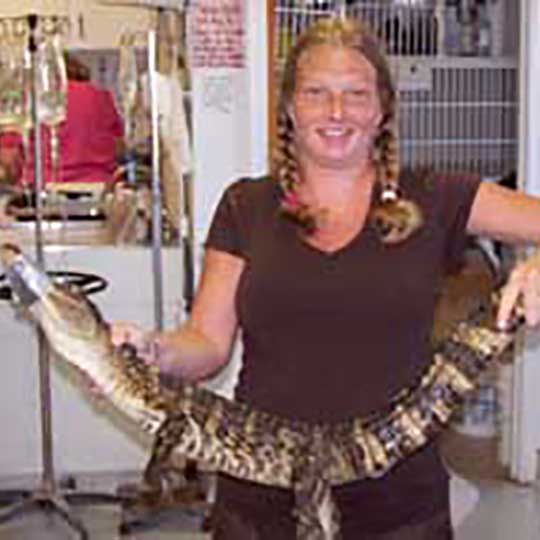
Sarah holds a 5 foot alligator that was brought to the clinic after getting caught in some sort of grease. The gator was bathed, treated, and released.
|
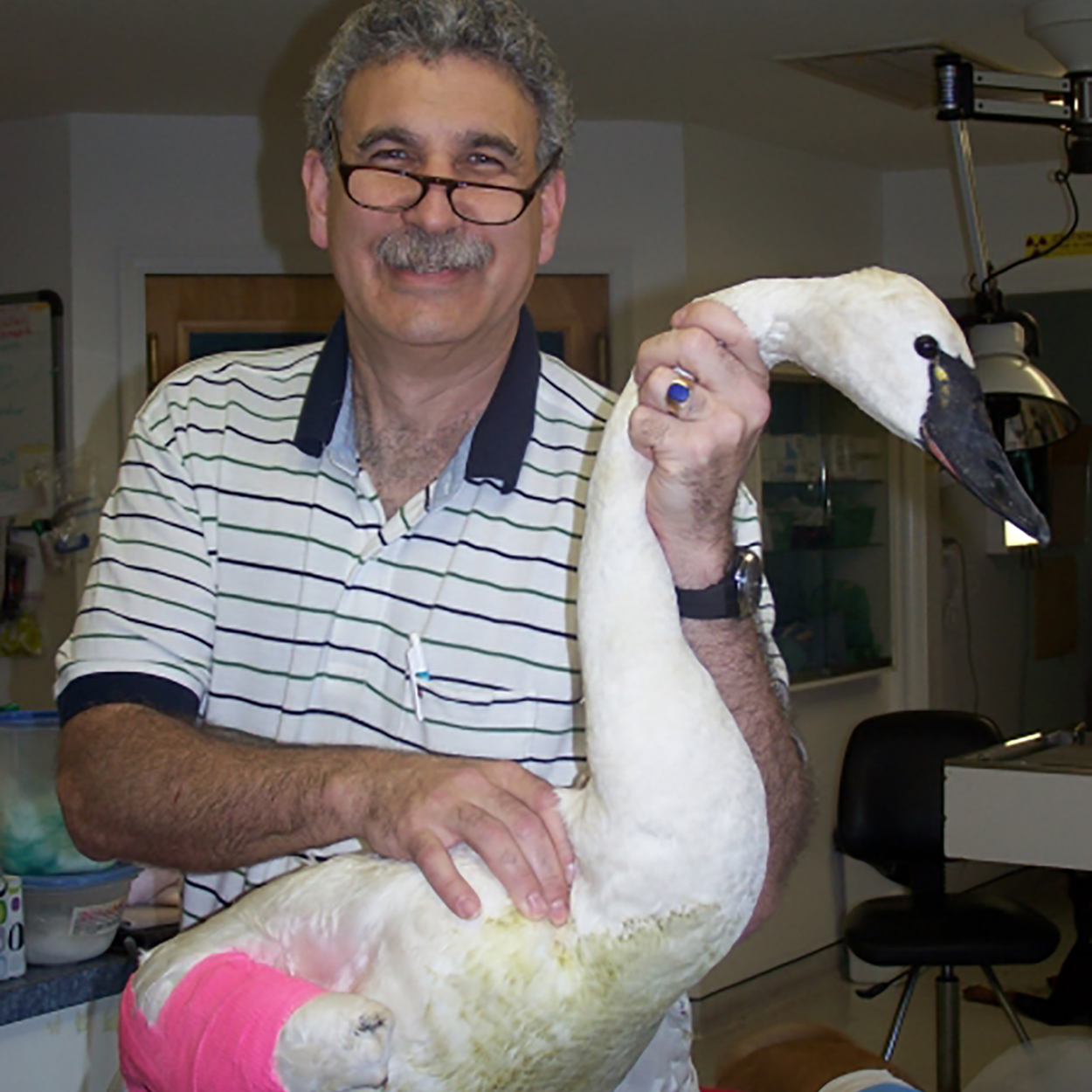
Dr. G just finishes splinting the fractured wing of a Trumpeter Swan.
|
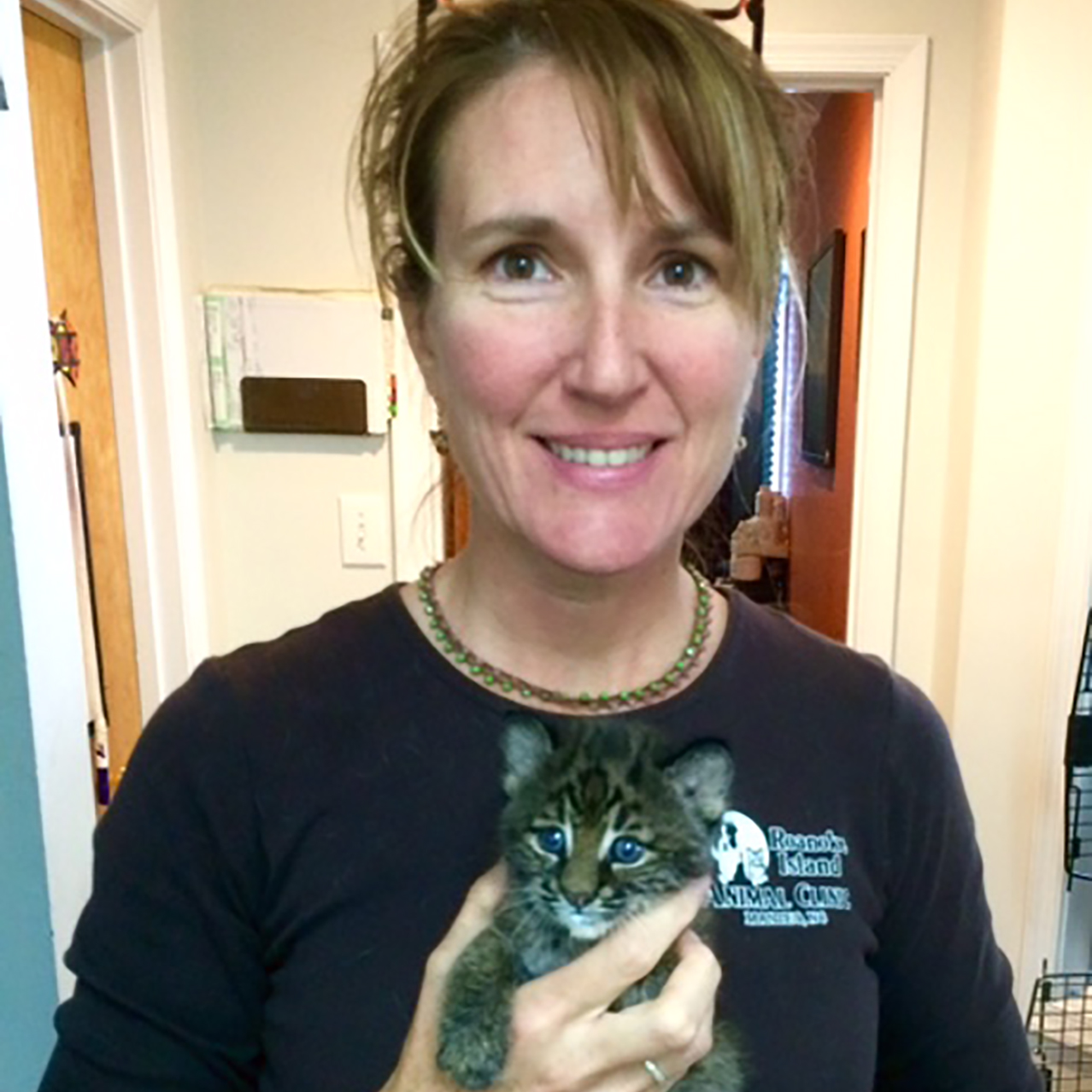
Melissa Cooper gently holds a 4 weeks old Bobcat. This kitten was the lone survivor of a bear attack after its mother was accidentally killed when she was hit by a car.
|
|
|
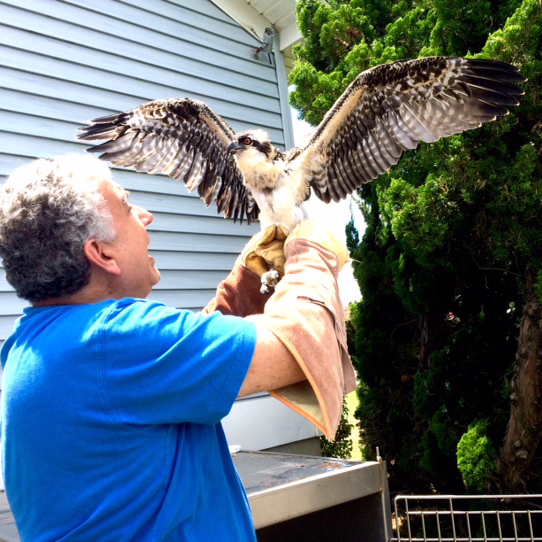
Dr. Grossman checking out the wings of a young Osprey.
|
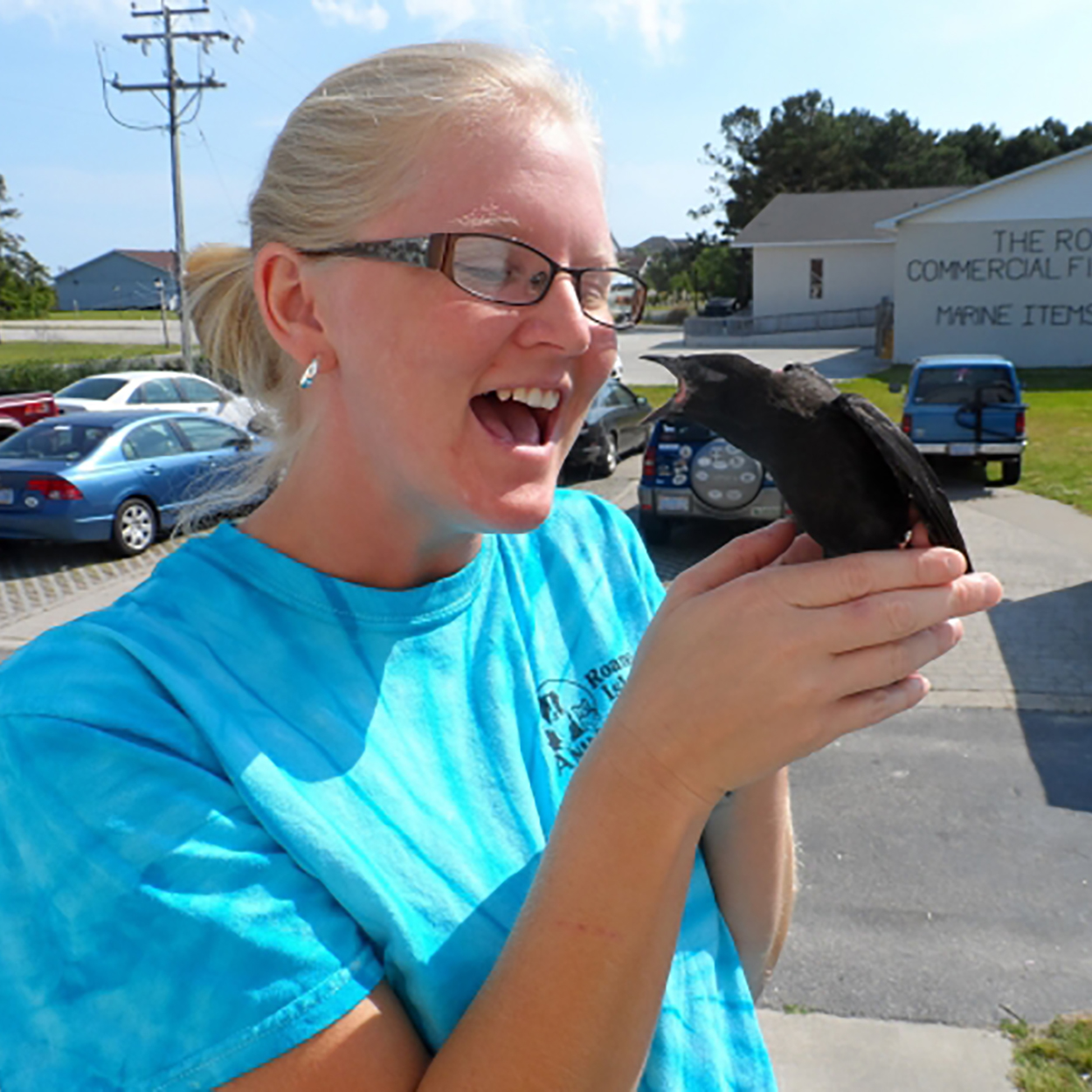
Vet and groomer assistant Jessica Tomlinson shares a "laugh" with a young grackle we raised from a featherless baby. The bird is set to be released soon.
|
 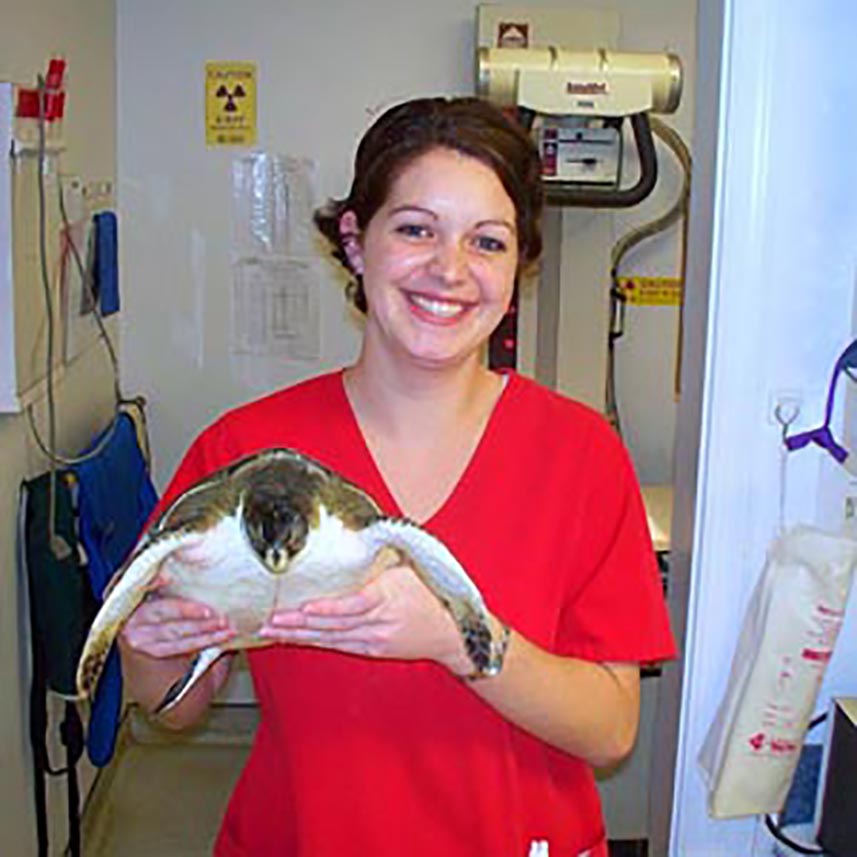
Jackie holds a very active Green Sea Turtle. These turtles get accidentally blown outside the warm Gulf current and into colder waters where they get "Cold Stunned". In their stunned state, they drift right up onto our local beaches and brought to our clinic by volunteers and wildlife employees. After some gentle warming and symptomatic care, these guys are released back into the warm Gulf.
|
|
|
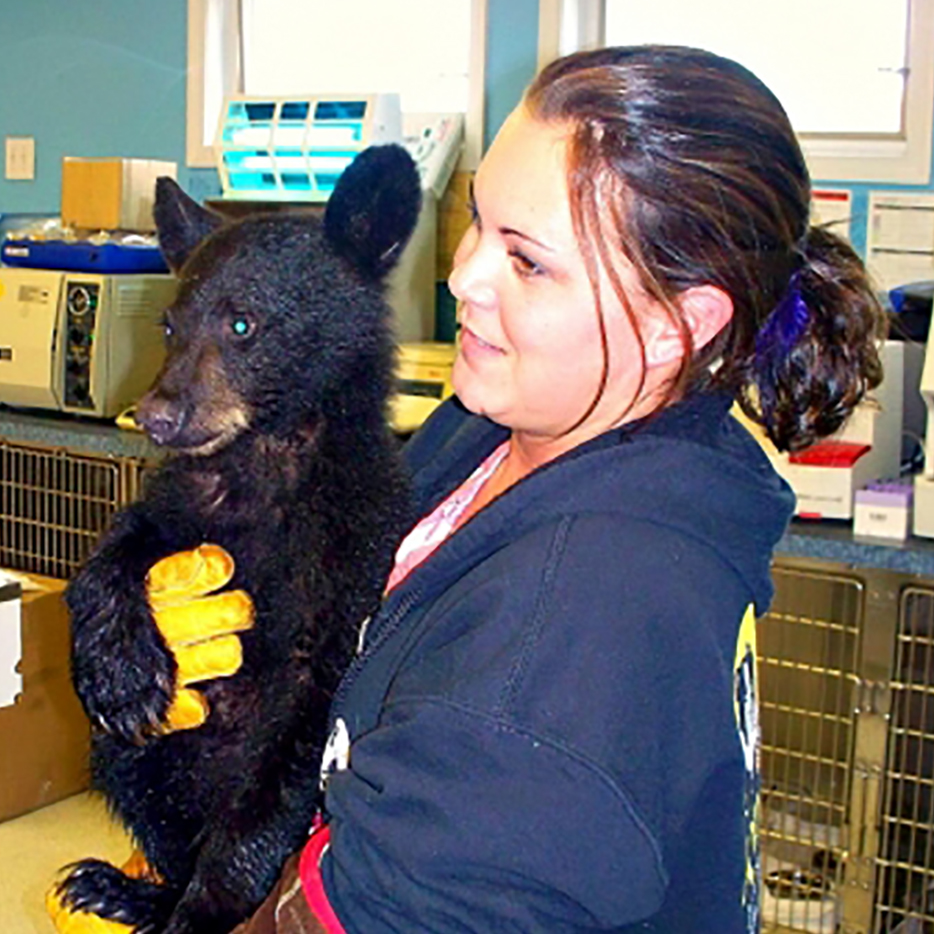
This 3-4 month old Black Bear was chased up a tree by some dogs in Mann's Harbor. A concerned local captured the bear and brought him into our clinic. Katie S gently holds the cuddly cub. The next day, this baby was released to the NC Wildlife commission who will make sure he gets to the correct rehabber and finally safely released. Still being a child at heart, Dr G couldn't give up the opportunity to hold this marvelous work of nature either.
|
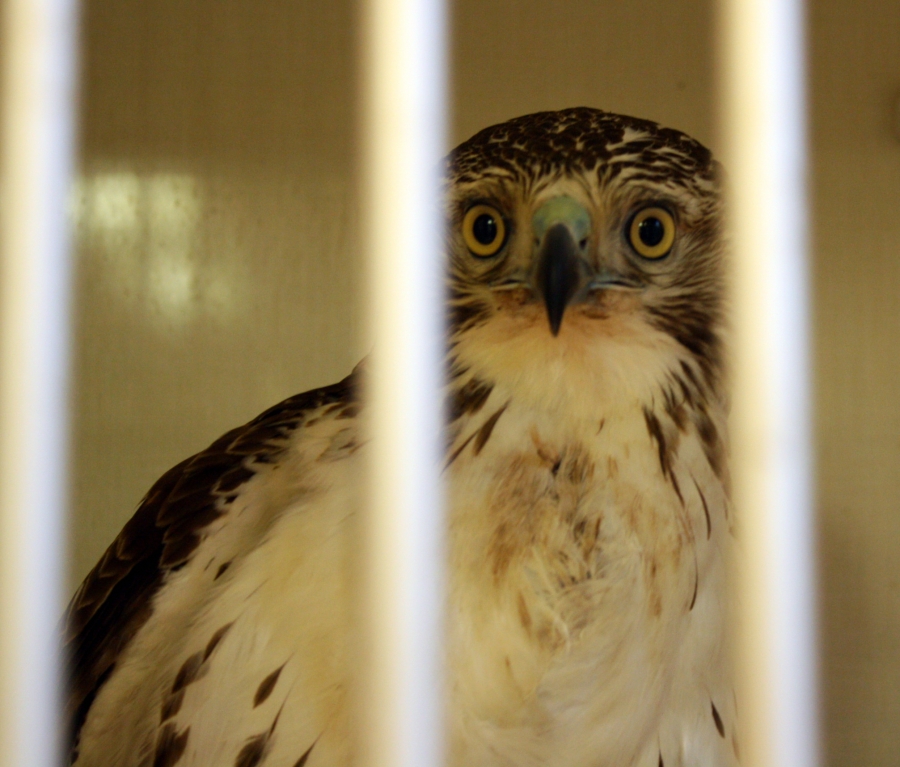
This Red Tail Hawk came in to the clinic 1/19/10 and is already at a raptor center rehabilitating a broken toe.
|
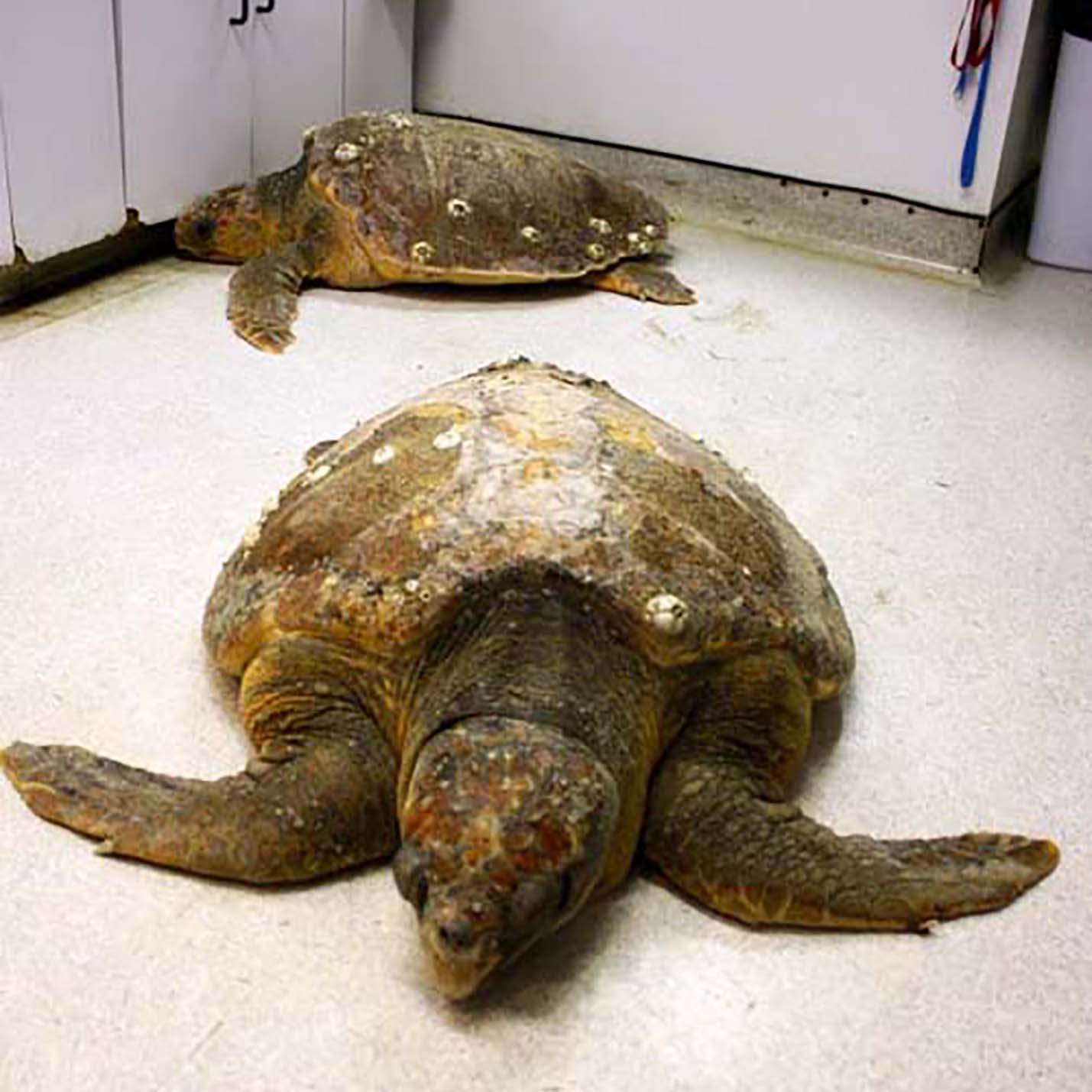
Things can get interesting at the clinic when big Loggerheads decide they're feeling better and can move about. These two got caught outside the warm Gulf Stream and made it to our clinic for triage then a trip back out to the gulf. (1/18/10)
|
|
|
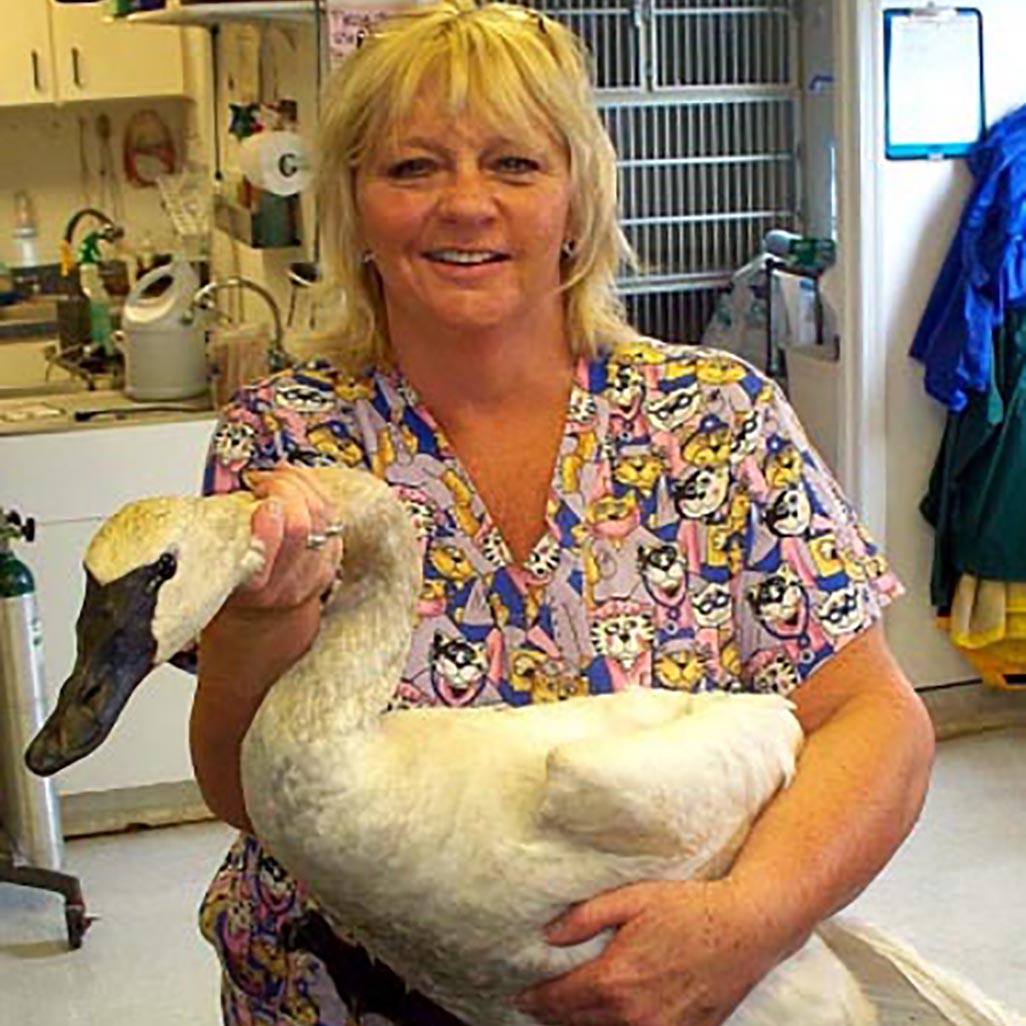
Star, gently holds a Trumpeter Swan that arrived with a sprained elbow joint. With a few weeks rest this magnificent bird will be released back to the Pea Island Refuge from where it was found.
|
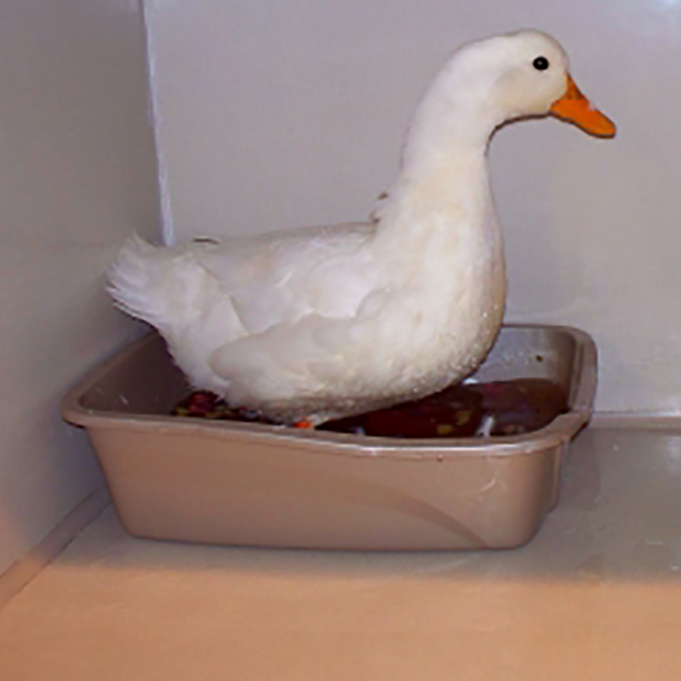
This handsome white Peking Duck has become a member of the family at the Ferry Dock in Hatteras. He became very ill and was diagnosed and treated for lung worms.
|
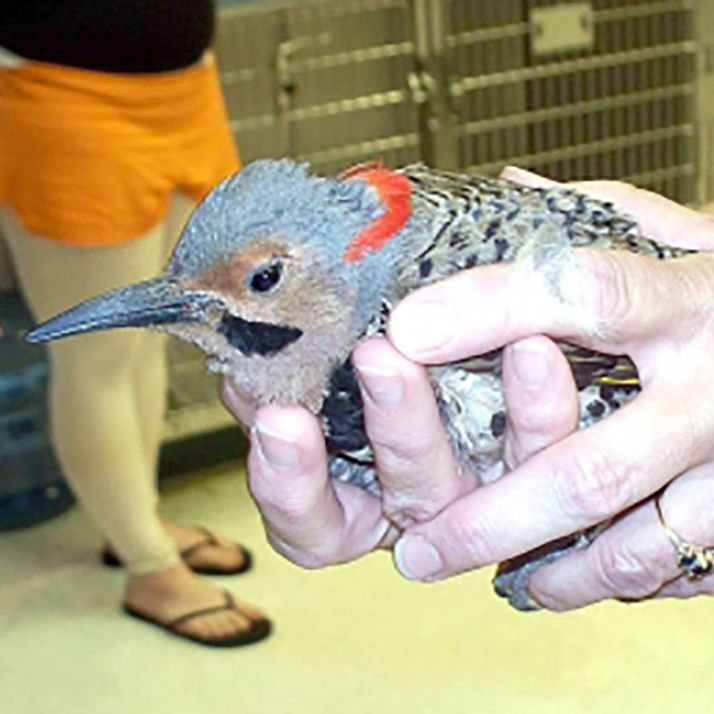
This beautiful Red Necked Woodpecker was brought to our clinic and was treated for trauma.
|
|
|
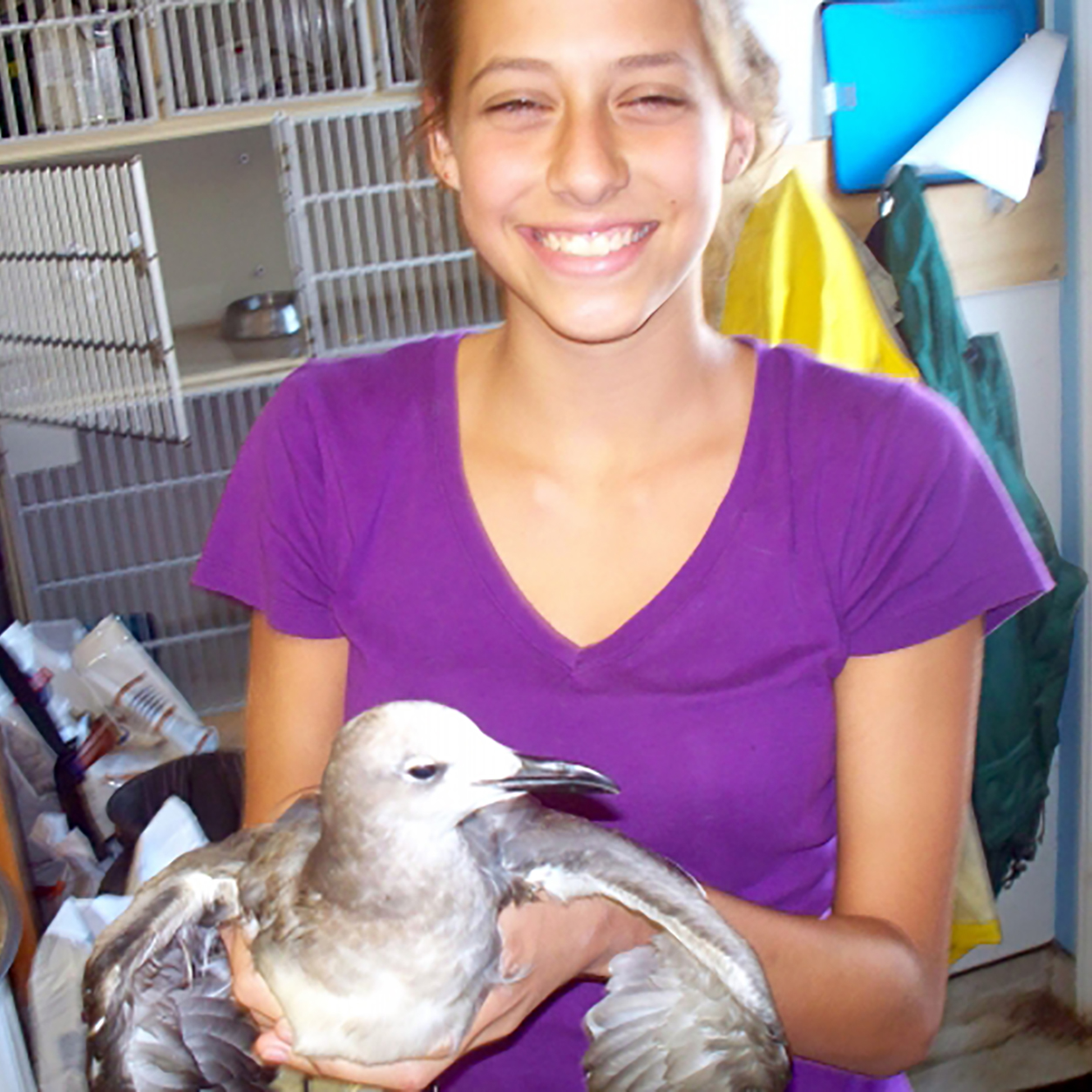
Shannon, our future veterinarian student volunteer, loves cradling this Sea Gull for treatment as she rests at the clinic for a few days prior to release.
|
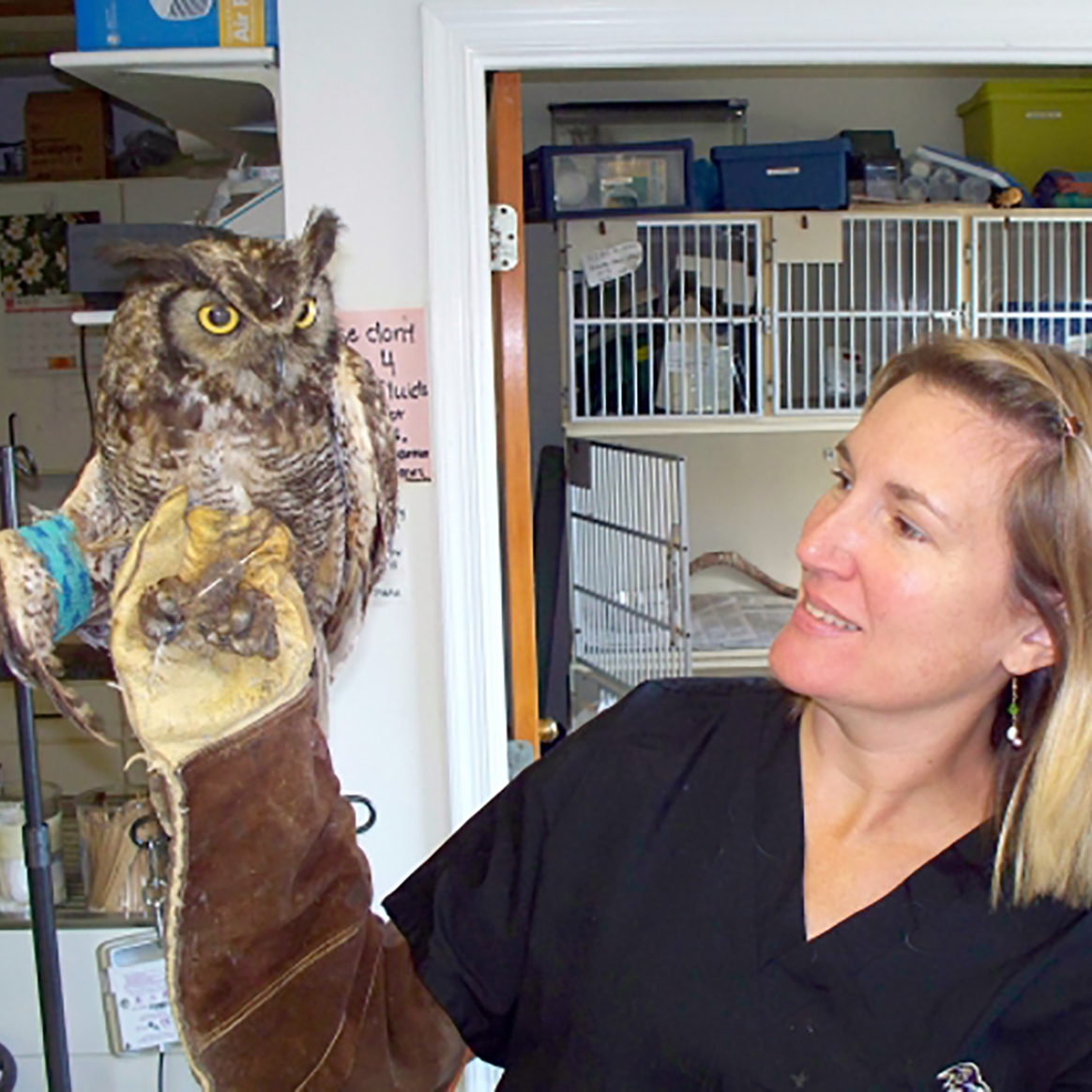
LVT Melissa Cooper holds a Great Horned Owl after its broken wing gets splinted. The owl was sent to a wildlife rehabber to heal and be released after it can safely fly again.
|
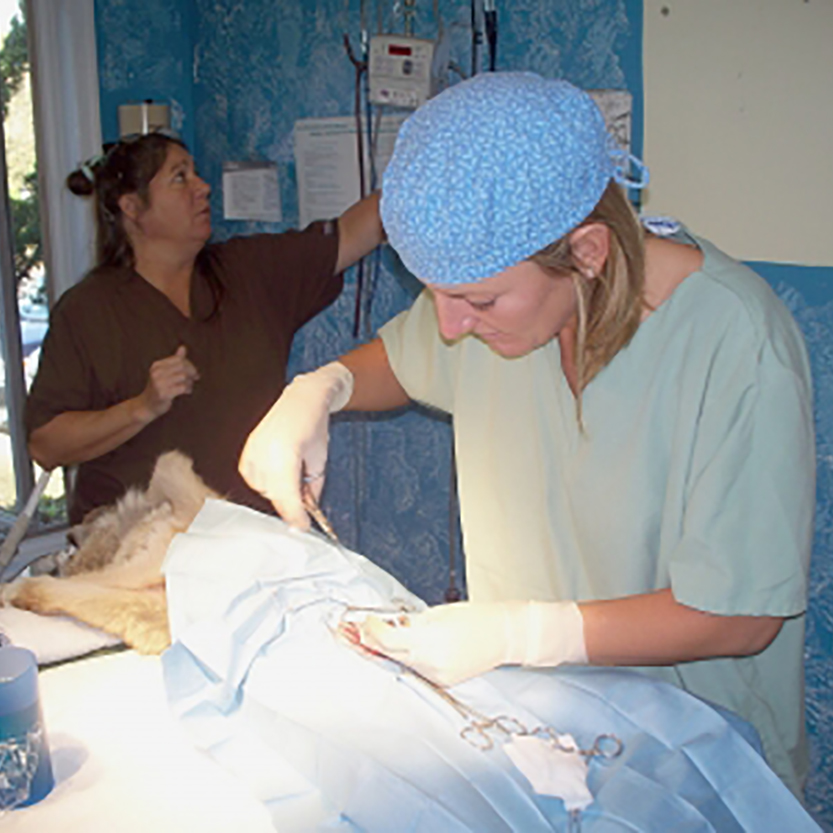
Being the veterinarians for the Return To the Wild Red Wolf Project located on Alligator River Refuge, sometimes makes for some cool and unusual tasks. Dr Braney begins the surgery to place a radio tracking transducer into a young wolf's abdomen. With the transducer in place, the Wildlife Specialists can track and monitor the wolf's movements. The better we understand them the more we can help support and increase their population. Dr Barney prepares to lower the transducer into the abdomen.
And finally, the transducer is correctly placed.
|
|
|
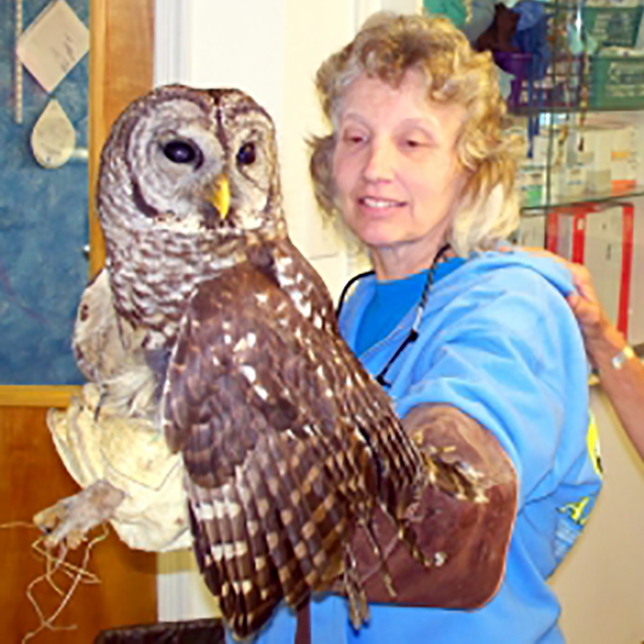
Dr. Burkart assesses a Barred Owl's injuries as it rests on her gloved arm. Veterinary assistant Hilda Bayliss stands by. X-Rays revealed the great bird of prey had a broken wrist. The wrist was splinted and referred to a wildlife rehabilitator in hopes it will one day soon be released.
|
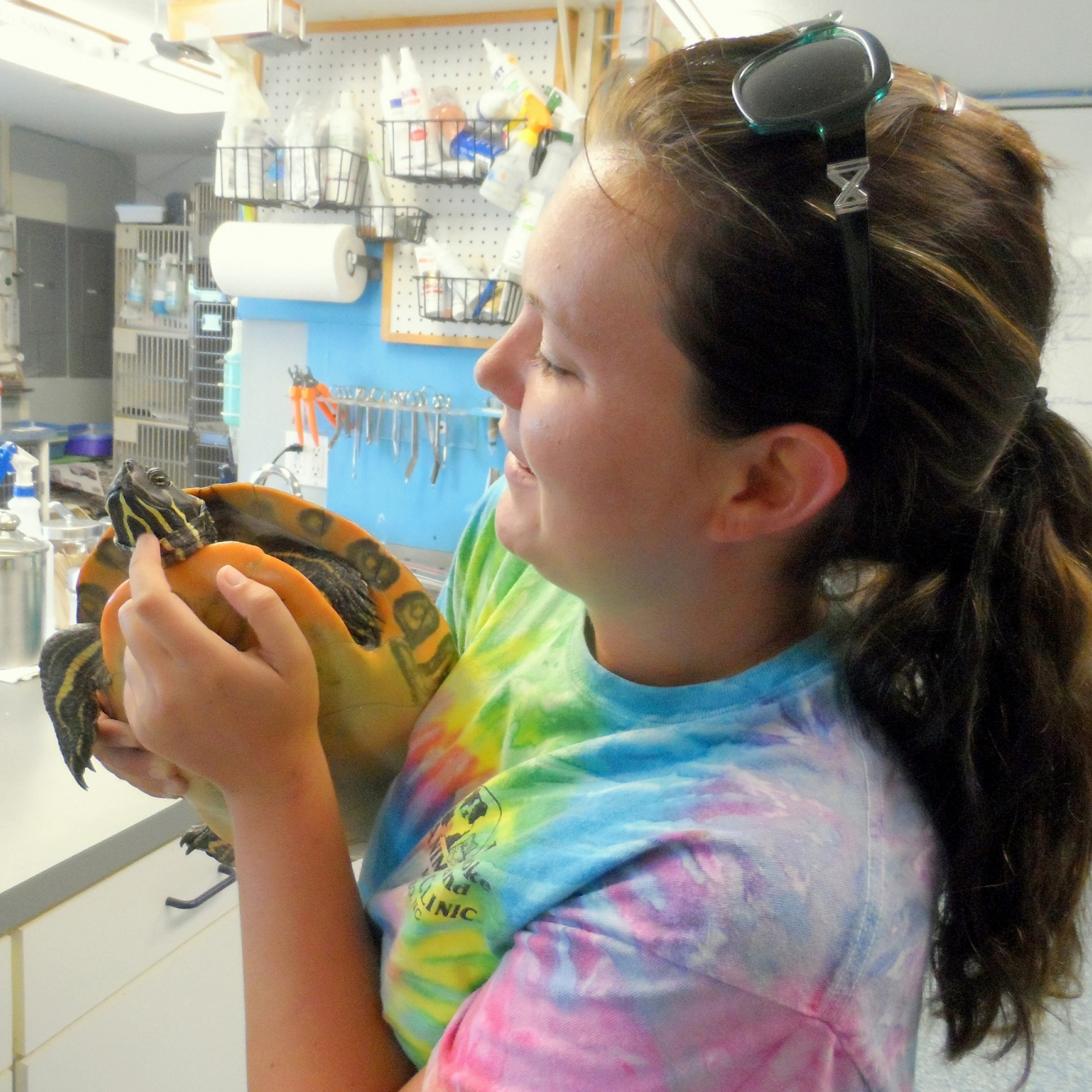
Vet tech Katie S. tickles the neck of a slider whose shell we just fixed. The shell was fractured and was epoxied. Antibiotics were administered along with pain relief and the turtle was later released in the area where it was found.
|
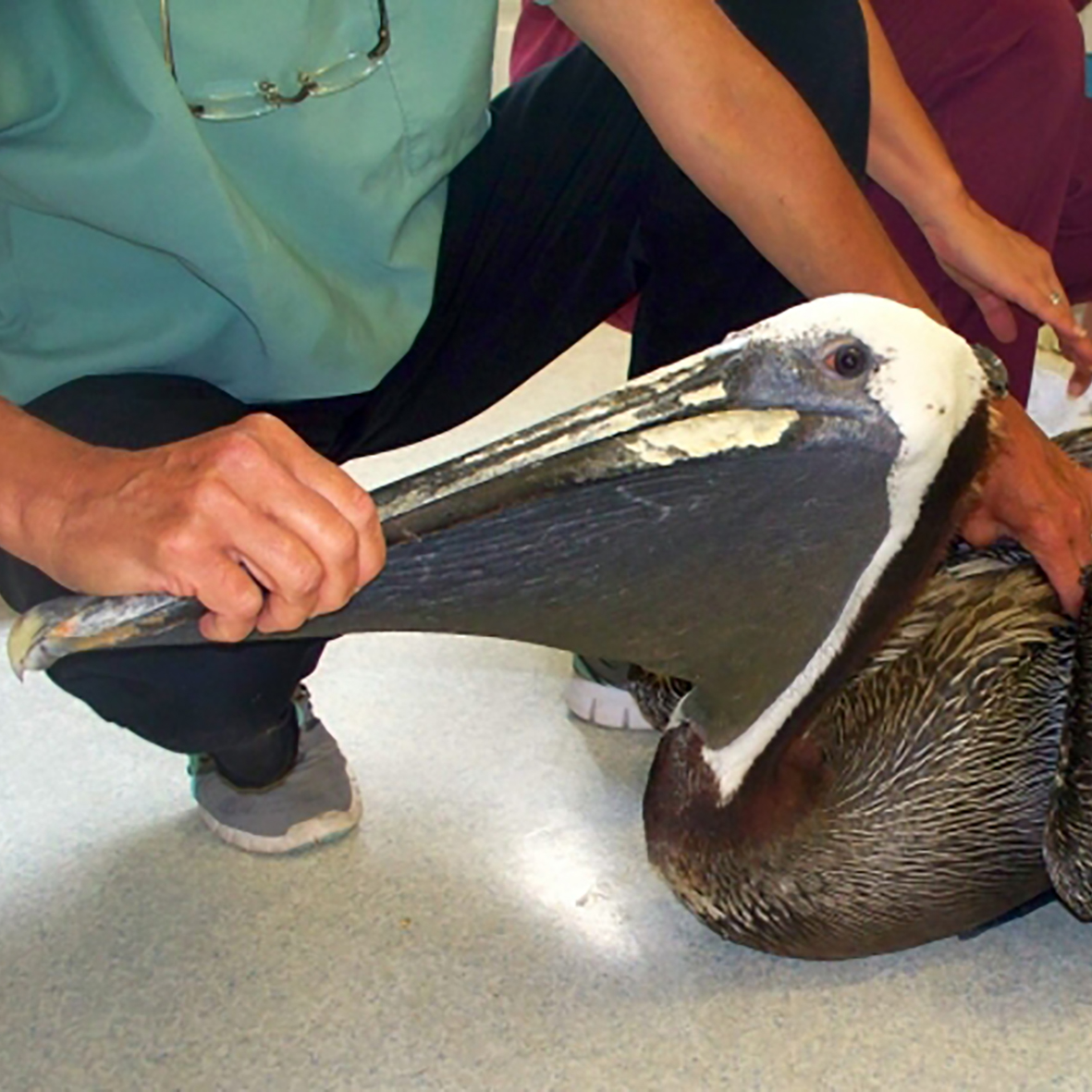
Hilda uses a firm but gentle hand as an injured pelican gets ready for transport to wildlife rehabber Lou Browning.
|
|
|
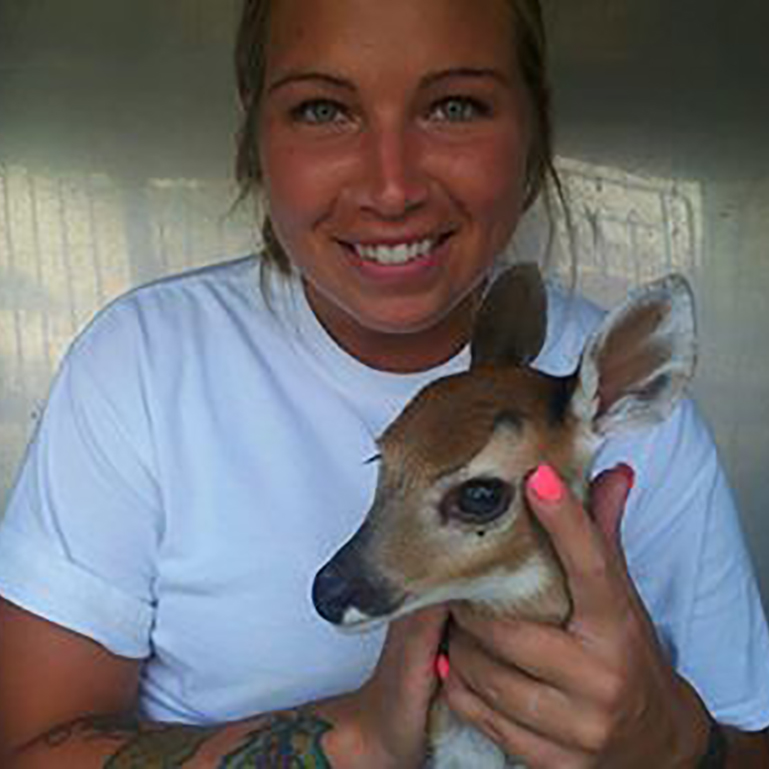
Tabitha can't help but cuddle a newly born fawn. The fawn was found with its sibling both of which headed to a local rehabber licensed to raise deer.
|
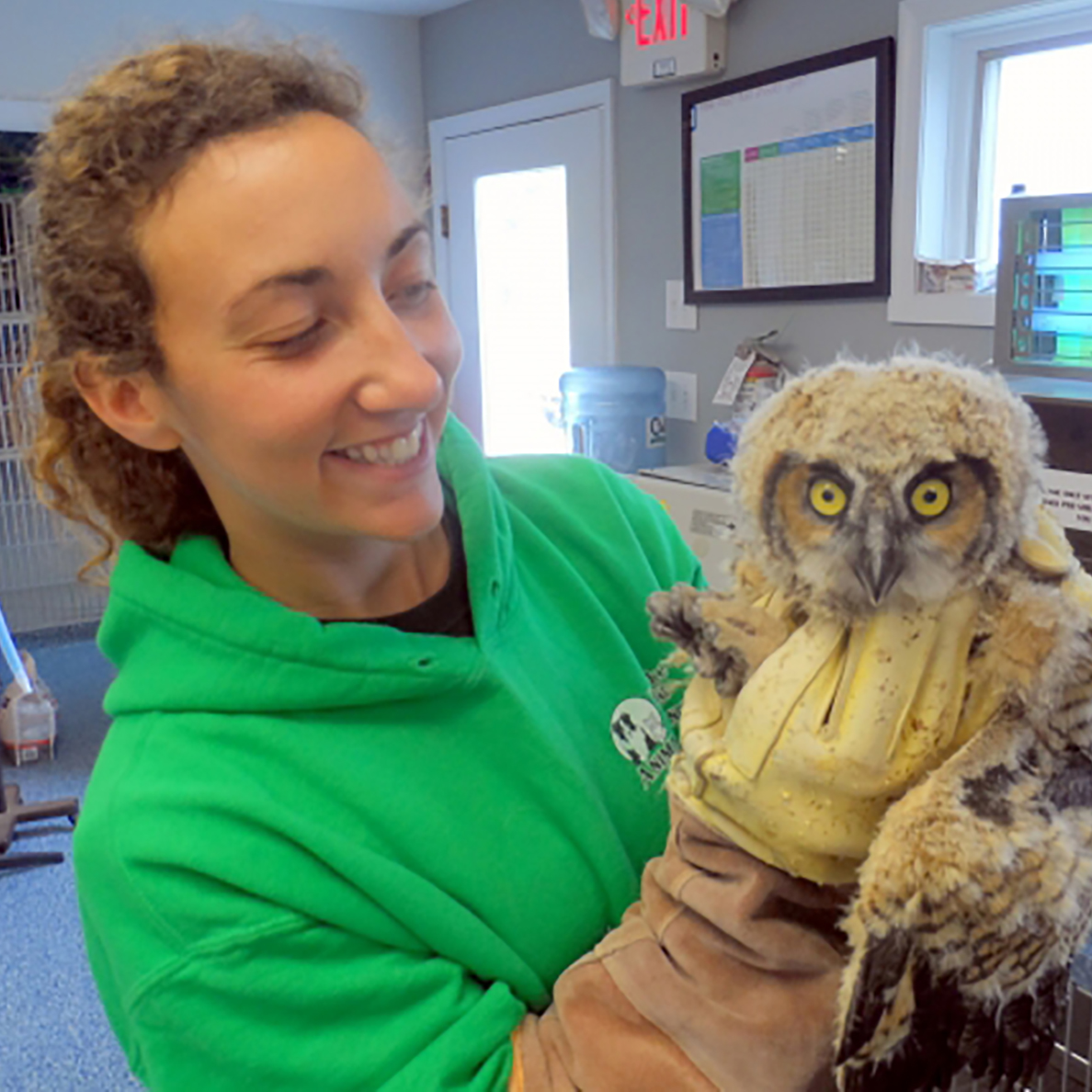
Vet assistant extraordinaire Mariel Grossman gently holds a baby Great Horned Owl The owl was brought to us after found alone in Wanchese. The owl had some superficial injuries.This beautiful creature will be treated and sent to Lou Browning, our local rehabber, who hopefully will get it back into the wild.
|
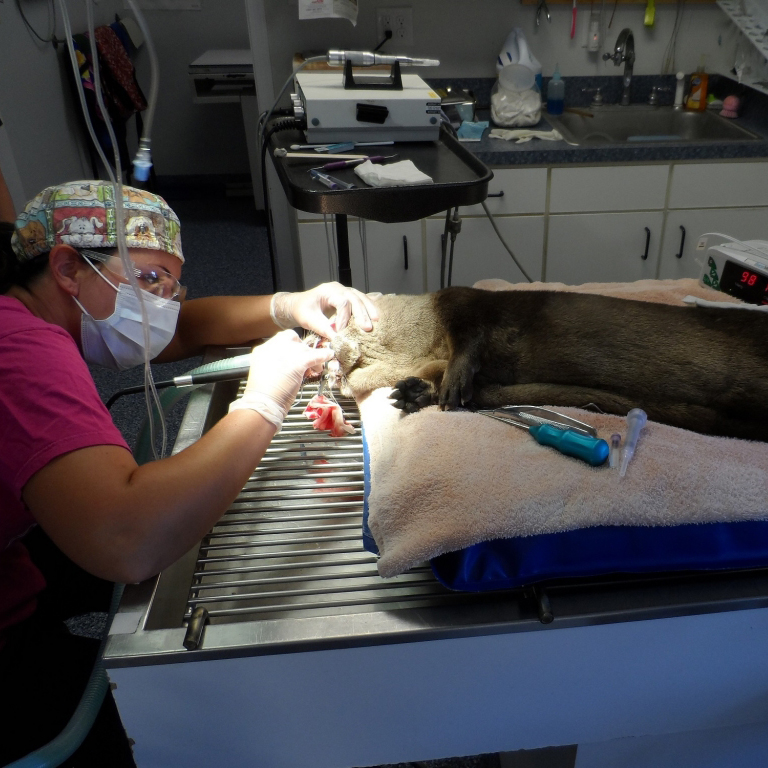
Veterinary Technician Katie Stewart performs a dental on "Bert", one of the River Otters at the North Carolina Aquarium on Roanoke Island. Bert had an abscessed tooth that was treated by Dr Burkart prior to the dental.
|
|
|
|
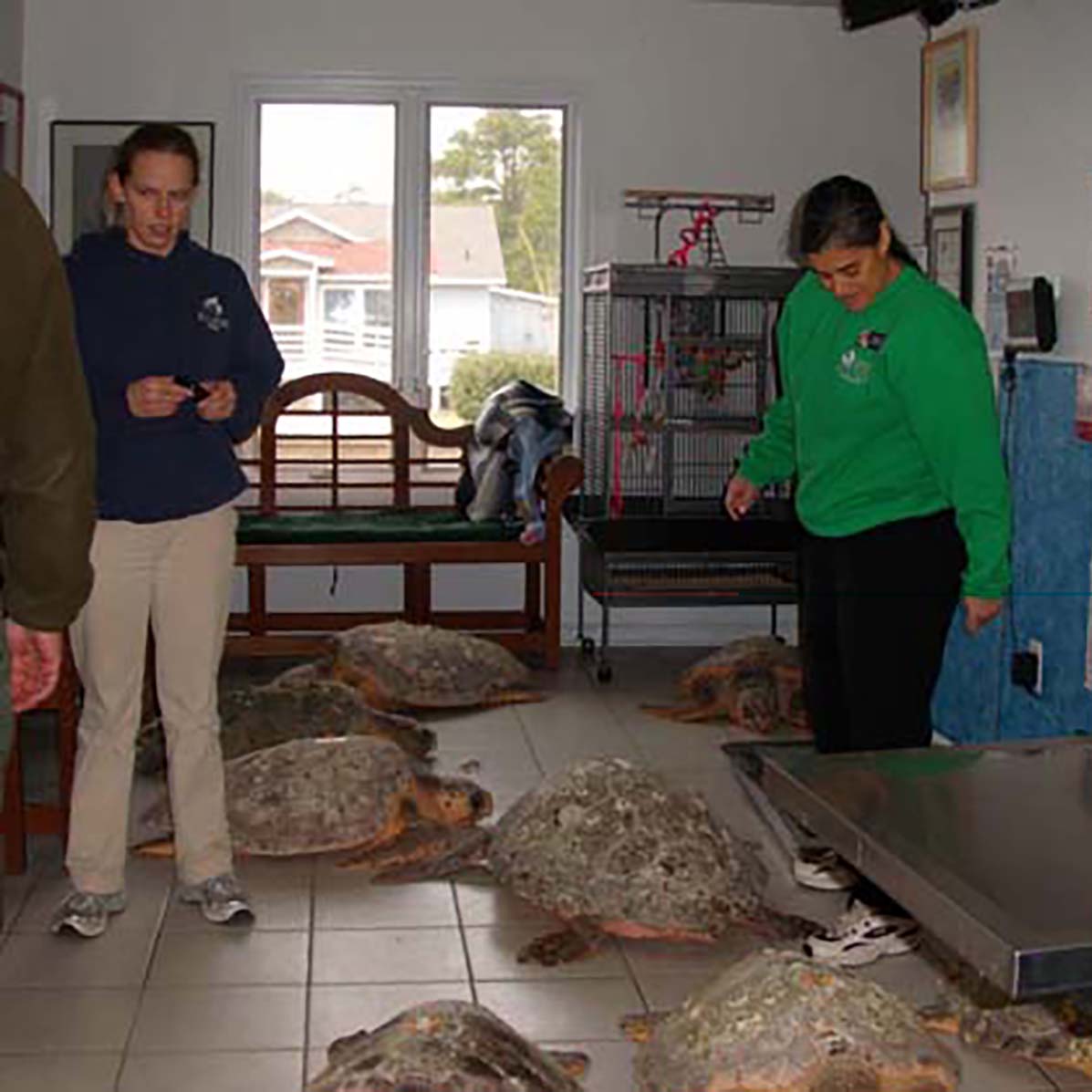
These loggerheads were part of a group of 30 that became stranded on Ocracoke the weekend of 2/8/10. It took volunteers from N.E.S.T (Network for Endangered Sea Turtles), the Marine Mammal Strandings volunteers, and several North and South Carolina aquariums to save the turtles. Here they "wait" their turn to get weighed so they can be properly dosed with their medication. |
|
|

 Processing ....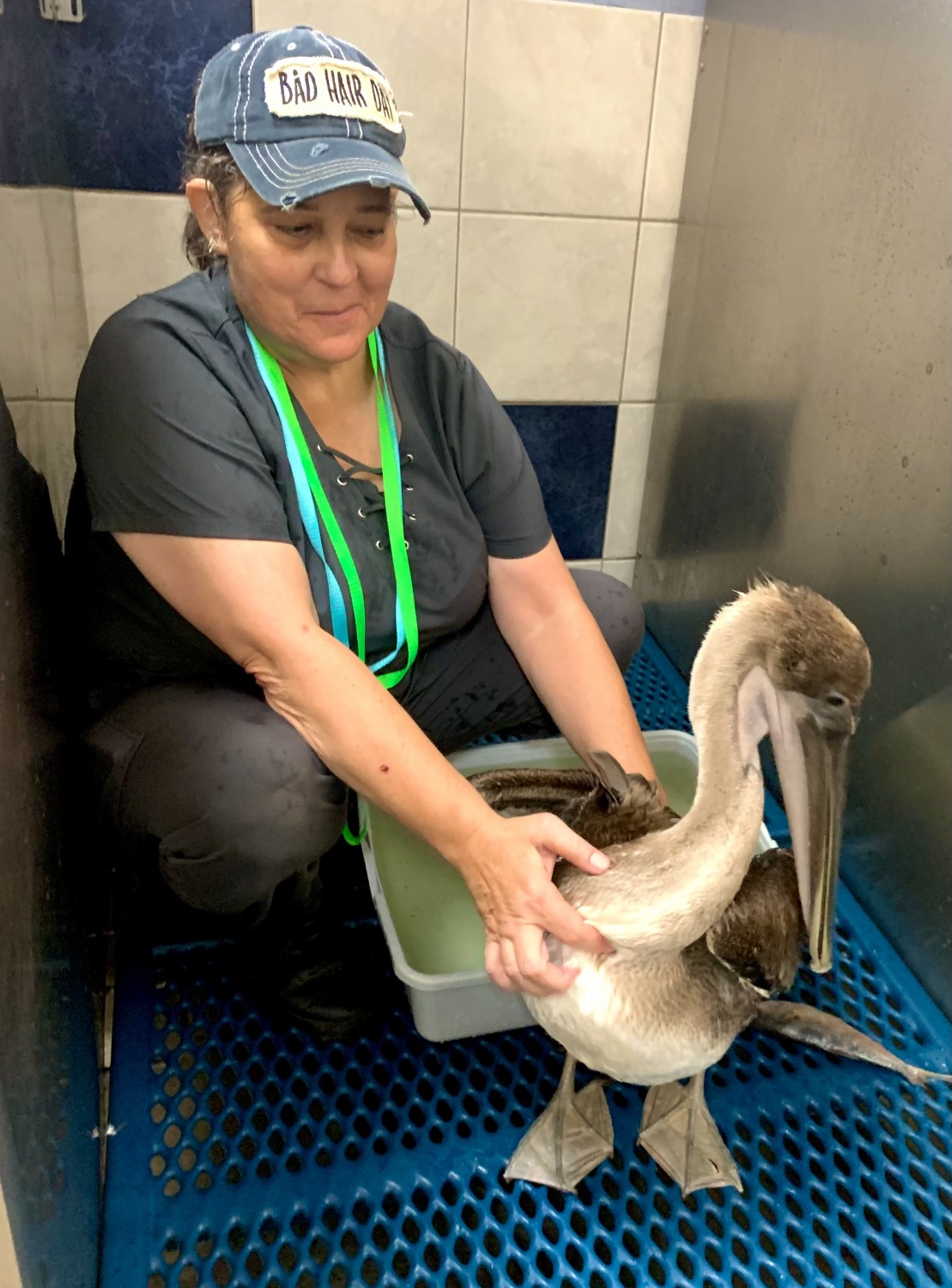
 EMERGENCIES
 Call Today
 Contact Us
 New Clients